Discover how AI-powered analytics is transforming public safety and urban management by converting real-time data into proactive, preventive intelligence for smarter cities.
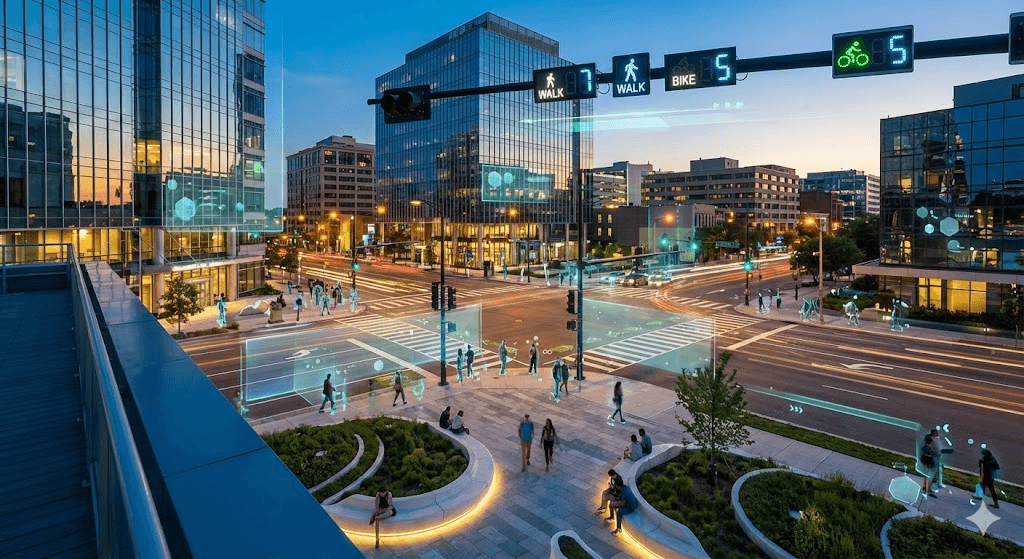
Introduction: AI Analytics Shapes the Future of Urban Safety
Urban environments generate vast amounts of data every day through cameras, sensors, and monitoring systems. However, data alone does not improve safety. The real value lies in understanding patterns, detecting risks early, and enabling faster decision-making.
AI analytics transforms raw urban data into actionable insights, helping cities improve public safety, manage infrastructure more effectively, and respond proactively to emerging situations.
What AI Analytics Reveals About Urban Safety
AI analytics processes complex data streams and converts them into clear intelligence that city authorities can act upon. These insights reveal patterns and risks that traditional monitoring methods often miss.
Early Risk Detection
AI models identify unusual behavior, crowd anomalies, and movement patterns that may indicate potential safety risks. This allows authorities to intervene early rather than respond after incidents occur.
Crowd Behavior and Density Insights
Understanding how crowds form and move helps cities manage public spaces more safely. AI analytics highlights overcrowding, bottlenecks, and sudden shifts in movement that may require immediate attention.
Traffic and Public Movement Patterns
Analytics reveal traffic congestion, abnormal vehicle behavior, and pedestrian flow issues. These insights support better traffic control, safer road planning, and faster incident response.
Continuous Learning and Accuracy
AI systems improve over time by learning from historical data. This reduces false alerts and increases accuracy, enabling teams to focus on real threats instead of manual monitoring.
How AI Analytics Improves Public Safety Outcomes
AI-driven urban analytics delivers measurable improvements across city operations. Authorities can:
Improve emergency response times
Identify safety risks before escalation
Optimize resource allocation and patrol planning
Reduce reliance on manual surveillance
Enhance coordination across departments
Better intelligence leads to quicker actions, safer environments, and increased public trust.
Conclusion: Intelligence-Driven Urban Safety
AI analytics provides cities with the clarity needed to move from reactive safety measures to proactive risk management. By turning real-time data into meaningful insights, cities can create safer public spaces and more resilient urban systems.
Urban safety is no longer about watching more screens. It is about understanding behavior, predicting risk, and acting with confidence through intelligent analytics.