
Construction kills more workers than almost any other industry. In the US alone, 1 in 5 worker fatalities occur on construction sites. In the UK, construction accounts for 40% of all workplace deaths despite employing 7% of the workforce. The safety systems that exist — manual inspections, periodic audits, safety officer rounds — are fundamentally reactive. By the time a violation is documented, the risk has already been taken.
AI doesn't add more rules. It changes the enforcement model from periodic and human to continuous and automated.
What the Industry Is Deploying
Turner Construction, one of the largest US contractors, has piloted computer vision systems that monitor PPE compliance across job sites in real time — alerting supervisors instantly when a worker enters a zone without a hard hat or high-vis vest. Skanska uses AI video analytics to detect unsafe proximity between workers and heavy machinery, triggering audio warnings before an incident can occur.
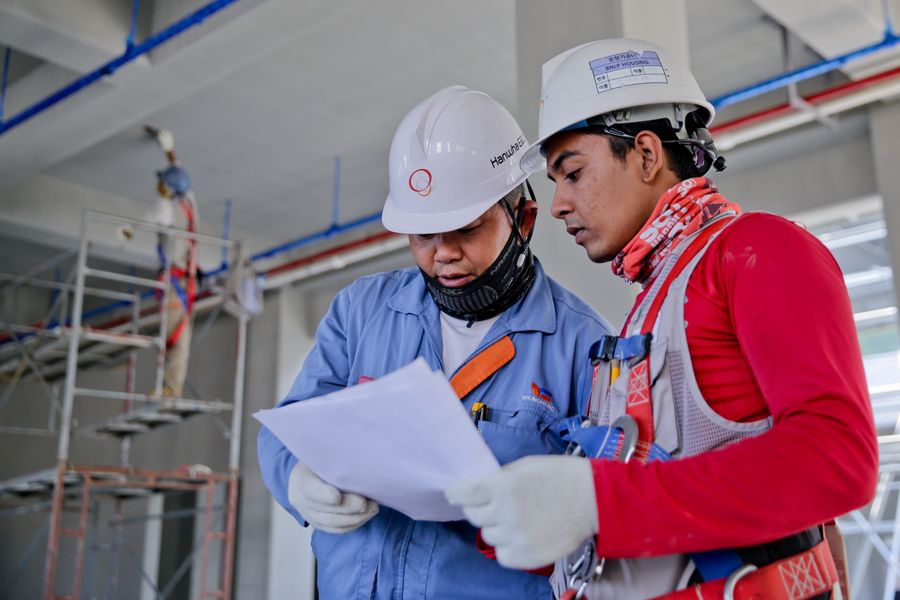
"A safety officer can watch one zone at a time. AI watches every camera simultaneously, every second, without fatigue."
The Core Capabilities
- PPE detection: hard hat, high-vis, gloves, safety boots — per person, per zone, continuously
- Human-vehicle proximity: detects unsafe distances between workers and plant equipment
- Zone trespassing: alerts when unauthorised personnel enter restricted areas
- Fire & smoke detection: AI-powered visual detection, faster than conventional sensors
- Automated reporting: audit-ready compliance logs generated without manual paperwork
The ROI isn't only in lives saved — though that's the primary metric. It's in insurance premiums, regulatory fines avoided, project delays prevented, and the audit trail that demonstrates due diligence.
See KenSafety in Action
KenSafety deploys on your existing cameras in 48 hours — PPE compliance, hazard detection, and automated reporting from day one.
Explore KenSafety