


AI isn't coming for jobs wholesale — but it is coming for tasks. Goldman Sachs estimates that 46% of tasks in finance and 44% in management are candidates for AI automation or augmentation. That doesn't mean half the workforce disappears. It means what those roles do changes, often dramatically.
Where AI Is Already Embedded at Scale
Microsoft Copilot is live across Office 365 for 345 million enterprise users. Early trials showed a 70% drop in time spent searching for meeting notes, and 68% of users said it helped them return to focus faster after interruptions.
GitHub Copilot — used by over 1.8 million developers at Stripe, Duolingo, and Mercedes-Benz — writes code 55% faster according to GitHub's own research. It's not replacing developers; it's eliminating the tedious parts of their day.
"AI doesn't eliminate jobs. It eliminates the parts of jobs people find least meaningful — freeing capacity for judgment, creativity, and relationships."
The Physical Workplace Is Changing Too
On factory floors, AI-guided robotics from ABB and FANUC now work alongside human operators — handling repetitive precision tasks while humans manage exceptions. Amazon's fulfilment centres run over 750,000 AI-guided robots, but human headcount has grown in parallel.
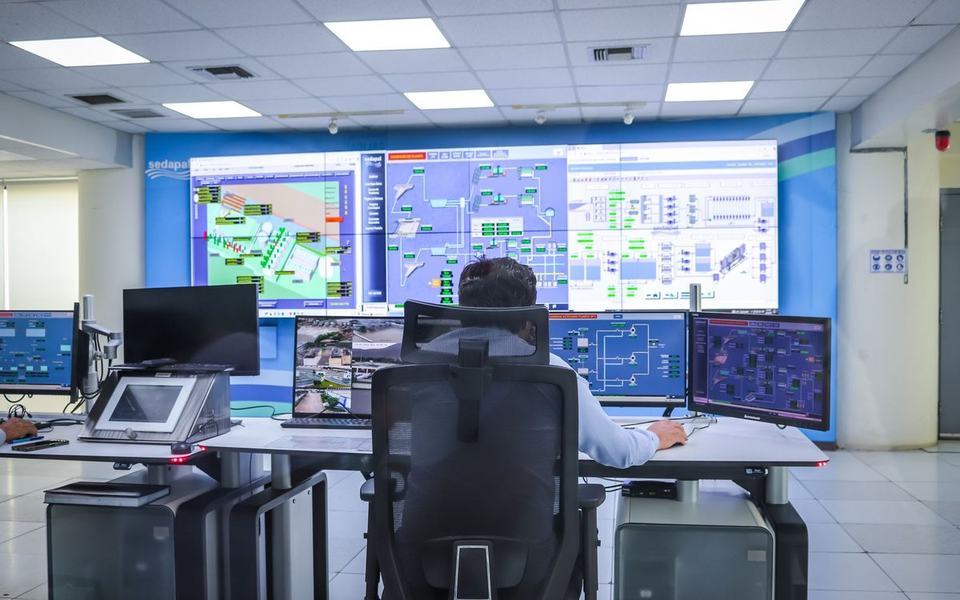
In smart buildings, facilities teams no longer do routine rounds. AI generates alerts when equipment is about to fail, occupancy spikes unexpectedly, or energy use deviates — so people respond to real events, not scheduled checks.
The organisations winning right now treat AI as a colleague, not a cost-cutting tool — deploying it to handle volume so their people can focus on decisions that only humans can make.
Make Your Workplace Smarter
KenHome uses AI to automate occupancy management, energy optimisation, and predictive maintenance — so your facilities team focuses on what matters.
Explore KenHome